
What Should You Eat Before A Workout?
Have you ever started a workout and felt tired before you even got going?
Maybe you felt weak, hungry, or had trouble finishing your workout.
One reason could be what you ate before you exercised.The food you eat before a workout can help give your body the energy it needs to perform its best.
But here's the good news: You don't need a special diet or expensive supplements. Let's break down what to eat, when to eat, and how to fuel your next workout.

1. Eat Carbs to Give Your Body Energy
Think of your body like a car. A car needs gas to run. Your body needs energy to move. One way your body gets that energy is from carbohydrates, also called carbs. When you eat carbs, your body breaks them down into sugar called glucose.
Your body can use glucose for energy or store some of it in your muscles as glycogen. During hard workouts, your muscles use this stored energy to help you keep moving.
Good carbs to eat before a workout:
Bananas
Oatmeal
Whole-grain toast
Rice
Potatoes
For example, eating oatmeal before your workout can help give your body fuel for exercise.
Coach's Notes: Carbs are not bad for you! They are an important source of energy, especially when you lift weights, run, or do hard workouts.
You don't need a large amount of carbs before every workout. The harder and longer you train, the more important it becomes to have enough fuel.
2. Eat Protein to Help Your Muscles
Protein is another important part of your diet.
When you eat protein, your body breaks it down into smaller parts called amino acids. Your body uses these amino acids to repair and build muscle.
Exercise gives your muscles a reason to grow stronger. Protein gives your body the building blocks it needs.
Good protein foods before a workout:
Eggs
Greek yogurt
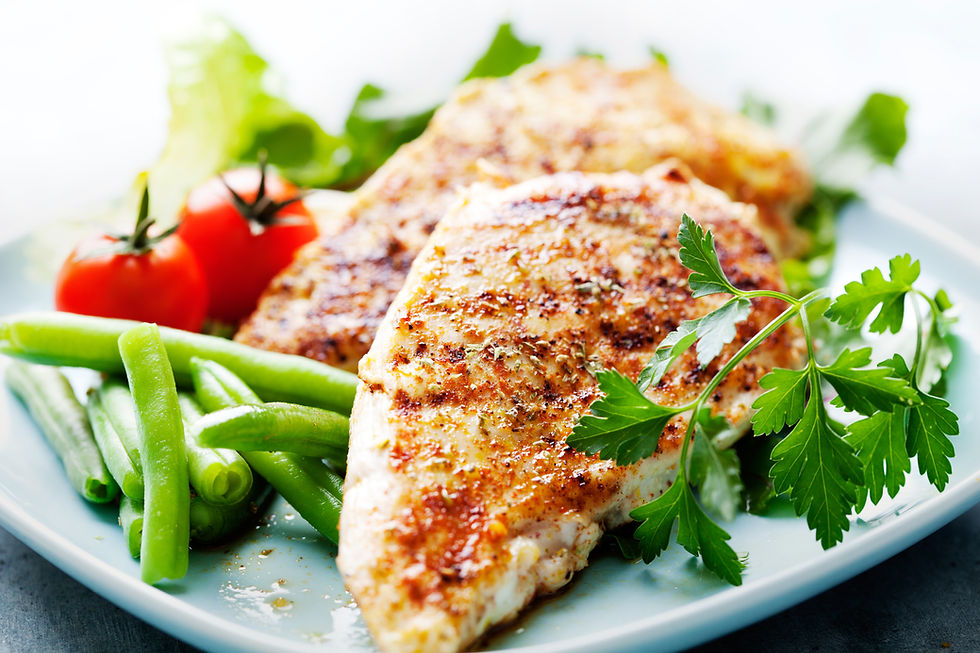
Chicken
Cottage cheese
Protein shakes
For example, Greek yogurt with a banana gives you both protein and carbs. The banana provides fuel, while the yogurt provides protein to support your muscles.
Coach's Notes: You don't have to drink a protein shake right before or after your workout. What matters most is getting enough protein throughout the day. Eating protein before exercise can help, but your daily habits matter more than perfect timing.
3. When Should You Eat Before a Workout?
Here's a question I hear often:
"How long before my workout should I eat?"
The answer depends on your body, your workout, and how much food you're eating. A large meal may take longer to digest than a small snack.
Here is a simple guide:
Time Before Exercise | What to Eat |
2–3 hours | Chicken, rice, and vegetables |
1–2 hours | Oatmeal with Greek yogurt |
30–60 minutes | A banana or slice of toast |
These are examples, not strict rules. Some people feel great eating an hour before exercise. Others need more time.
Coach's Notes: Pay attention to how your stomach feels. If you feel too full during exercise, try eating earlier or having a smaller meal. If you feel hungry or low on energy, a small snack before training may help.
4. Avoid Eating Too Much Right Before Exercise
Have you ever eaten a huge meal and then tried to exercise? You may have felt full, slow, or uncomfortable. That's because your body needs time to digest food. Large meals, especially those high in fat or fiber, may cause stomach problems when eaten too close to exercise.
For example: Better choice 30 minutes before exercise: A banana and a little water. Less comfortable choice: A large burger, fries, and a heavy dessert. This doesn't mean you can never eat those foods. It simply means they may not be the best choice right before exercise.
Coach's Notes: You want to feel fueled, not stuffed. Choose foods that are easy on your stomach, and give yourself time to digest.
5. Do You Need to Eat Before Every Workout?
Not always! If you're going for a short walk, you probably don't need a special meal beforehand. If you're lifting weights for an hour or doing a long, hard workout, eating beforehand may help you feel and perform better. Your body also stores energy from meals you ate earlier.
That means you don't always need to eat right before exercising.
Coach's Notes: Focus on the big picture. Eating well throughout the day, getting enough sleep, drinking water, and staying consistent with exercise are all important. One pre-workout snack won't make or break your results.
Your Action Steps: Fuel Your Next Workout
Here are four simple things you can try this week:
Step 1: Pick a carb. Try a banana, oatmeal, toast, or rice before your workout.
Step 2: Add protein when you can. Try eggs, Greek yogurt, or another protein food with your meal.
Step 3: Plan your meal time. If you're eating a large meal, try having it 2–3 hours before exercise. If you only have 30–60 minutes, try a small snack.
Step 4: Pay attention to your energy.
After your workout, ask yourself:
Did I have enough energy?
Did my stomach feel good?
Was I able to finish my workout?
Use your answers to make small changes.
Final Thoughts: Keep It Simple
You don't need the perfect pre-workout meal to get great results. You need habits you can stick with. Carbs can help fuel your workouts. Protein helps your muscles repair and grow. Eating at a time that feels good for your body can help you train comfortably.
Remember: The best nutrition plan is one that helps you feel good, perform well, and stay consistent.
Small steps, done over time, can lead to big changes.
Fitness Is the Way Forward.
Sources
Primary Research Source
Kerksick, C. M., et al. (2017). International Society of Sports Nutrition Position Stand: Nutrient Timing. Journal of the International Society of Sports Nutrition, 14, 33.
This research reviews how eating protein and carbohydrates around exercise may affect energy, workout performance, muscle growth, and recovery.
Note: The meal examples and suggested eating times in this blog are practical coaching tips based on general sports nutrition principles. They are not exact meal plans tested in the cited research.
Disclaimer
This blog is for education only. It is not medical advice or a personal meal plan. Everyone's body and nutrition needs are different. Your age, health, goals, and activity level can change what foods are best for you. If you have a health condition, diabetes, food allergies, or special nutrition needs, talk with your doctor or a registered dietitian before making major changes to your diet. Always listen to your body and choose foods that help you feel your best.


Comments