
What Should You Eat After a Workout?
You just finished a great workout. Now what should you eat? Should you drink a protein shake? Eat a full meal? Or wait until you're hungry? What you eat after a workout can help your body recover, build muscle, and get ready for your next workout. But here's the good news.
You don't need fancy foods, costly shakes, or perfect timing to get results.
You just need to know three simple things. Let's break them down!
1. The 3 R's of Recovery
After a workout, remember these three words:
Repair. Refuel. Rehydrate.
Repair: Eat Protein
When you lift weights, you put stress on your muscles. Your body then works to repair and build them. Protein helps with this process.
When you eat protein, your body breaks it down into smaller parts called amino acids. Think of amino acids as building blocks.
Your body uses them to repair and build muscle.
Good protein foods include:
Chicken, turkey, and fish
Eggs
Greek yogurt
Tofu
Protein shakes
Research shows that about 20–40 grams of high-quality protein can help your body build and repair muscle after training.
Coach's Notes: Protein helps your muscles recover, but eating enough protein throughout the whole day matters more than eating it at the perfect time.
Refuel: Eat Carbohydrates
Your body needs fuel to move. One way your muscles store fuel is called glycogen. Glycogen is stored carbohydrate energy that your muscles use during exercise.
When you work out, your body uses some of that fuel.
Eating carbs helps fill those stores back up.
Good carbohydrate foods include:
Rice
Potatoes
Oatmeal
Bananas and berries
Whole grain bread
Quinoa
You don't need to fear carbs after a workout.
They can help you recover and get ready for your next workout.
Coach's Notes: Even if your goal is to lose body fat, you can still eat carbs. Fat loss depends mainly on how many calories you eat and use over time.
Rehydrate: Drink Water
When you sweat, your body loses water. That water needs to be replaced.
Water helps your body move nutrients, control body temperature, and work well.
Long or very sweaty workouts can also cause you to lose minerals called electrolytes. These include sodium and potassium. They help your muscles and nerves work.
Coach's Notes: Drink water after your workout. If you sweat a lot, you may also need to replace sodium through food or drinks.
2. How Soon Should You Eat?
Have you ever heard that you must eat within 30 minutes of a workout? That's a common fitness myth. Your muscles do not stop growing after 30 minutes. In fact, your body can keep responding to exercise for many hours. Eating a meal with protein within a few hours of training is a good plan for most people.
If you ate a good meal before training, you may not need to eat right away.
But if you trained without eating, try to have a meal when you finish.
Coach's Notes: Don't stress about the clock. Focus on eating enough food and protein throughout the day. Timing becomes more important when you have two hard workouts close together.
3. Do You Need to Eat After Every Workout?
Not always! It depends on how hard and how long you exercise.
If you go for a short walk or an easy bike ride, you likely don't need a special recovery meal. Your normal meals can give your body what it needs.
But after a hard workout, like weightlifting, intense cycling, or a long run, a meal with protein and carbs can help support recovery. The harder you train, the more important it becomes to replace the fuel you use.
4. What Should Your Post-Workout Meal Look Like?
You don't need a special recipe. Just choose a protein food, a carbohydrate food, and something to drink.
Here are three easy meals:
Meal 1: Chicken and Rice
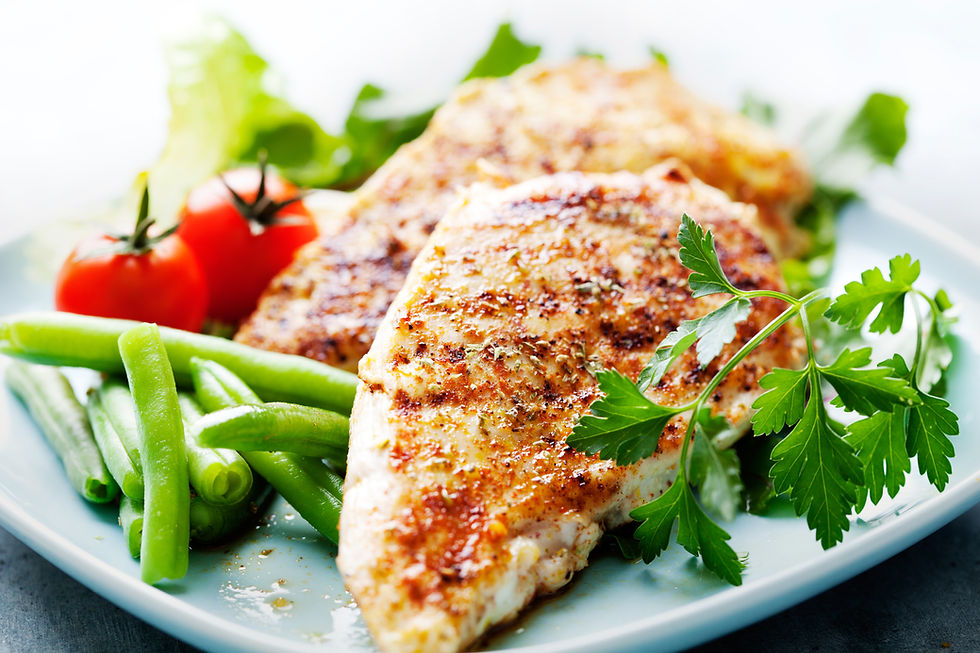
Chicken gives your body protein. Rice helps refill your energy stores. Add vegetables for extra nutrients.
Meal 2: Greek Yogurt, Oats, and Berries
Greek yogurt gives you protein. Oats and berries give you carbs. This is a great choice when you're short on time.
Meal 3: Salmon and Potatoes
Salmon provides protein and healthy fats. Potatoes help replace the fuel you used during training.
Remember, healthy fats can also be part of your meal. You don't need to avoid them after exercise.
5. Your Action Steps
Try these five steps after your next workout:
Eat protein. Aim for about 20–40 grams of high-quality protein, based on your needs.
Add carbohydrates. Choose fruit, rice, potatoes, oats, or another food you enjoy.
Drink water. Replace fluids lost during exercise.
Plan your next meal. Try to eat within a few hours, but don't stress about the exact minute.
Stay consistent. Focus on your food choices throughout the whole day, not just after training.
Final Thoughts
You work hard during your workouts. Give your body the food it needs to recover. You don't need to make nutrition hard. Start with the basics.
Protein to repair. Carbs to refuel. Water to rehydrate. Small steps, done often, can lead to big results over time.
Sources
Kerksick et al. (2017). International Society of Sports Nutrition Position Stand: Nutrient Timing.https://pmc.ncbi.nlm.nih.gov/articles/PMC5596471/
Jäger et al. (2017). International Society of Sports Nutrition Position Stand: Protein and Exercise.https://link.springer.com/article/10.1186/s12970-017-0189-4
American Diabetes Association. Eating Tips Before and After Exercise.https://diabetes.org/health-wellness/fitness/eating-tips-before-after-exercise
Carbon Performance. Refueling After Your Workout: What to Eat and When to Eat It.https://carbonperformance.com/refueling-after-your-workout-what-to-eat-and-when-to-eat-it/
Healthline. The Anabolic Window: Does It Exist?https://www.healthline.com/health/fitness-exercise/anabolic-window
Disclaimer
This article is for education only. It is not medical advice or a personal nutrition plan. Everyone has different needs based on their age, health, goals, and activity level. Talk with your doctor or a registered dietitian before making major changes to your diet, especially if you have a health condition.


Comments